Curriculum-mapped lessons
Science, geography and history topics students explore from the inside, each tied to the learning objective you set.
 8xwork
Education · VR & AR development
We develop VR lessons, virtual experiments and immersive learning content for schools, education boards and EdTech companies. Each experience is mapped to a curriculum topic, designed for a real classroom and reviewed by your educators. SchoolVR, from our portfolio, brings this approach to schools.
What we build
Science, geography and history topics students explore from the inside, each tied to the learning objective you set.
Experiments that are impractical or unsafe in a classroom, repeated safely as often as students need.
Places a class cannot visit, from inside the human body to distant landscapes, explored together.
Controls for starting, pausing and guiding a lesson, so VR fits the period rather than replacing the teacher.
Interactive challenges that let students take part at their own pace and check what they have understood.
VR modules packaged for your own brand, app and distribution, if you are an EdTech company.
Why it works
Some subjects are hard to understand from a page, and some experiments are impractical or unsafe to run in a classroom. VR gives students a space to explore them instead of only reading about them.
A lesson can be repeated, paused and discussed. Interactive and game-like elements encourage students who rarely speak up to take part at their own pace.
From our portfolio
Education · Immersive learning
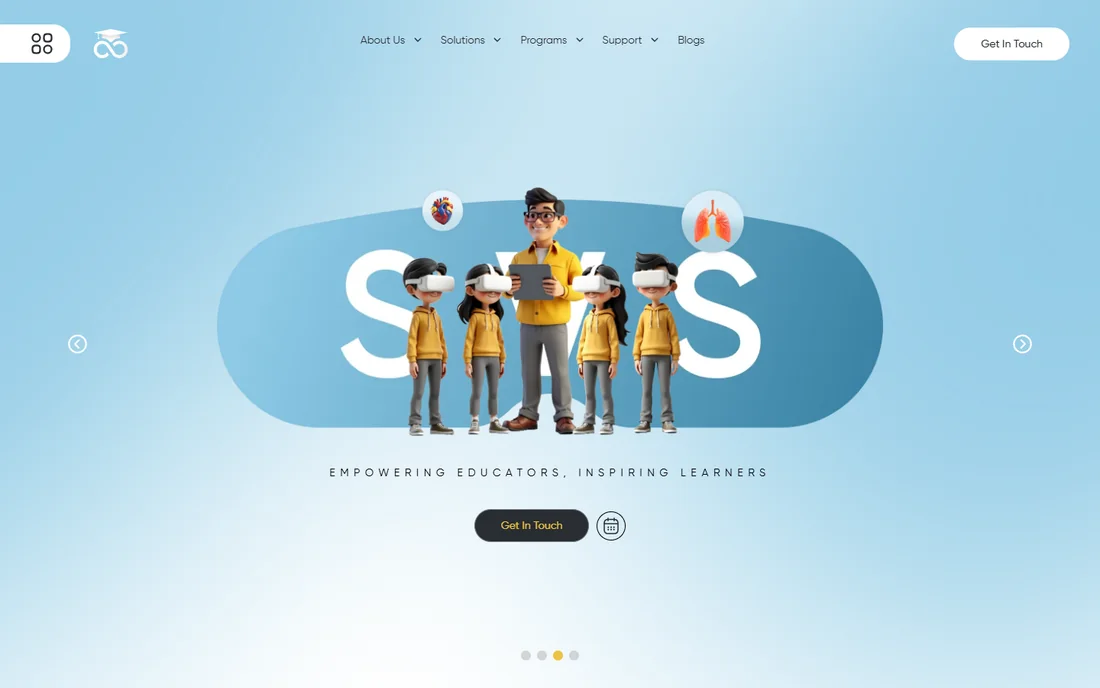
VR learning for schools: interactive lessons and virtual experiments that let students explore a subject instead of only reading about it.
View project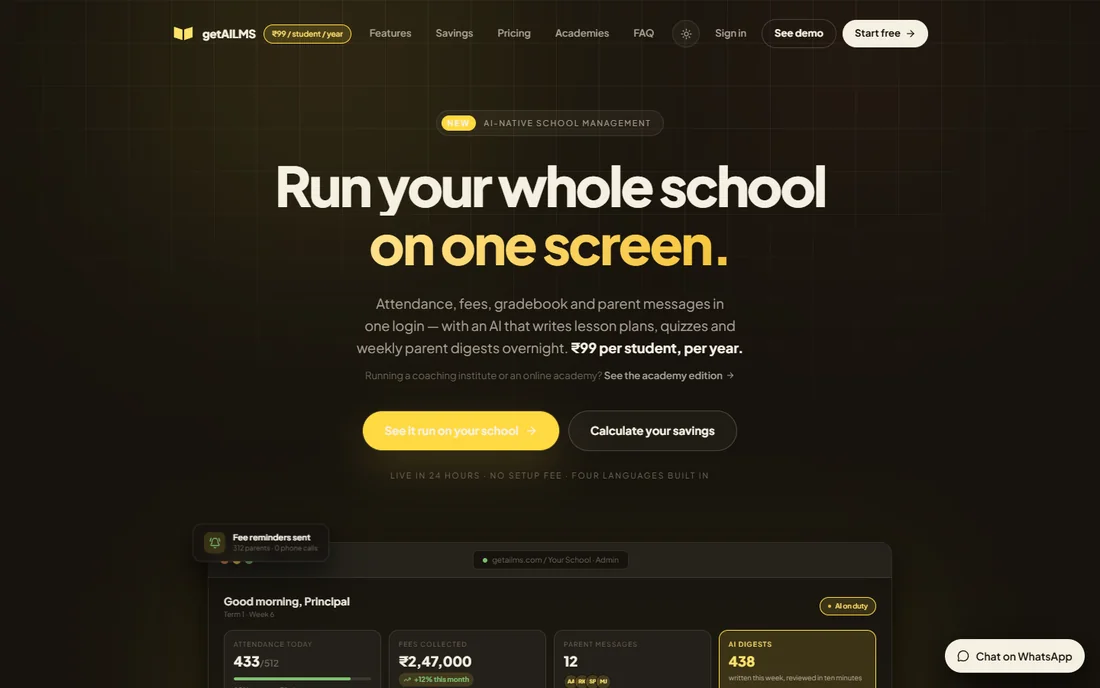
Education · AI software platform
School management for admins, teachers, students and parents, with an AI assistant that drafts lesson plans, quizzes and weekly parent digests.
View projectHow a project runs
Map the users, current process and intended result. Prioritise the first release and identify dependencies, budget and decision-makers.
You review: the scope & acceptance criteria.
Review the important decisions through a prototype, storyboard or technical plan. Resolve the largest unknowns before full production.
You review: a prototype, plan or sample.
See working releases at agreed milestones. Check complete journeys and record feedback against the approved requirements.
You review: working milestones & test results.
Complete acceptance checks and the agreed documentation, access and training. Confirm who owns operation, maintenance and the next release.
You review: the release & handover pack.
Scope and cost
Questions
Yes. We map each lesson to the board, grade, topic and learning objective you specify, whether that is CBSE, ICSE, a state board, IB or your own programme. Your educators review the content before it reaches students.
SchoolVR offers programmes for schools; visit schoolvr.in to explore them. 8xWork develops custom VR content: lessons for a school group’s curriculum, an education programme, or an EdTech company’s own platform.
It depends on how lessons run: teacher-led demonstrations, small-group rotations or whole-class sessions. We help you plan device numbers, charging, storage and offline use while scoping.
Yes. We can design for offline classroom use where connectivity is limited, and plan how content updates and device management are handled after handover.
Custom engagements start at ₹5 lakh. The final cost depends on the scope you choose: how much is built in the first release, the review process, devices or integrations, and support after launch. International proposals are issued in USD.
Start a project
Bring the problem, the intended users and your priorities. We’ll discuss the scope, budget and next step. A finished specification is optional.